

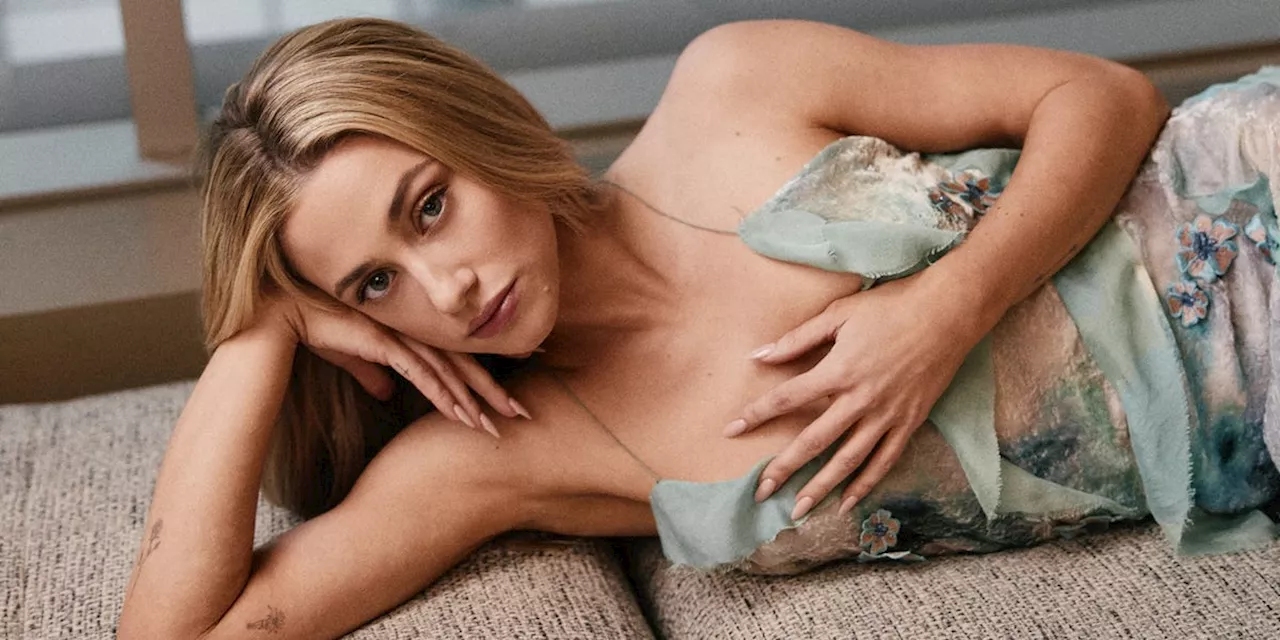
Actress Lili Reinhart is set to star in a new Amazon film based on a bestselling novel by author Hazelwood, playing a Stanford biology PhD candidate caught in a fake-dating arrangement. In recent discussions, Reinhart has used the project to critique the "sterile" and "two-dimensional" nature of modern romantic comedies.
The "sterile and glossy" problem with modern digital cinematography
Reinhart argues that the romantic comedy genre has lost its soul due to a shift in how movies are actually made. According to the report, she believes the transition from traditional film to digital cinematography has stripped many contemporary films of their warmth and rich color palettes. Instead of feeling lived-in, she suggests many modern productions end up looking "sterile, glossy, and two-dimensional."
This critique extends beyond just the visual aesthetic to the very writing of the scripts. Reinhart suggests that many recent rom-coms have become formulaic "copy-and-pastes" that prioritize predictable plot beats over the deep, genuine character development that once defined the genre. For Reinhart, the goal is to move away from these tropes and return to stories where the characters' personalities drive the narrative.
Fake dating at Stanford:The Olive Smith and Adam Carlsen dynamic
The upcoming Amazon film follows Olive Smith, a PhD candidate at Stanford,who enters a calculated fake-dating scheme with a brooding science professor, Dr.. Adam Carlsen, played by Tom Bateman. The arrangement is designed to help Olive convince her best friend, Anh, that she isn't pining after Anh's new crush, while Adam uses the charade to secure his research funds from a skeptical administration.
While the "fake dating" setup is a classic trope , Reinhart has focused her energy on the specific chemistry between the two leads. She expressed a desire for audiences to move past the gimmick and instead fall in love with the connection between Olive and Adam. As the report notes, Reinhart was drawn to the "specificity" of the characters in Hazelwood's original novel, which helped her navigate the pressure of playing a character that had already inspired countless fan casts online .
Prioritizing the female gaze in the film's pivotal hotel room scene
One of the most significant departures from traditional rom-com tropes is the film's approach to intimacy. Reinhart revealed that she pushed for an extended version of the pivotal hotel room scene to ensure the adaptation honored the source material. However, her focus wasn't just on the length of the scene, but on how it was captured on camera.
The production utilized a female-led creative team, including producer Elizabeth Cantillon and intimacy coordinator Jen Viens, to ensure the scene was filmed through a "female gaze." Reinhart noted that the sequence felt like it was from Olive's point of view, focusing on her receiving pleasure rather than catering to the male gaze. This approach aims to present women's intimacy as a central, human experience rtaher than an afterthought.
Can a 100-minute movie satisfy die-hard Hazelwood fans?
Despite the excitement, the adaptation faces the inherent challenge of condensing a 300-page novel into a roughly 100-minute runtime. This creates a significant tension between staying literal to the book and creating a functional film. While Reinhart says she actively fought to include key dialogue and align character arcs with the novel, she acknowledges that she did not win every "mini-battle" in the editing room.
This leaves several questions regarding the final product : Will the "slow-burn" essence that Hazelwood fans adore survive the condensed timeline? Can the film maintain the academic specificity of the STEM-focused setting without feeling rushed? While Reinhart expresses confidence that the team stayed true to the "overall spirit" of the story, the success of the film will likely depend on whether the core emotional truth of the characters can bridge the gap between the page and the screen.
Comments 0