

Luxury houses are increasingly adding Diwali to their global marketing schedules to reach wealthy Indian consumers. While some brands launch dedicated collections, others face criticism for lacking genuine cultural depth.
A $12 billion market driving a new luxury festive calendar
India is currently one of the world's five fastest-growing luxury markets, with a market value estimated at approximately $12 billion, according to Euromonitor International’s 2025 research. This economic surge is prompting global luxury houses to treat Diwali as a major commercial pillar rather than a niche event.
Sumeet Yadav, head of the Indian retail conglomerate Reliance Brands Limited, explains that for Indian consumers, Diwali is the most significant occasion of the year. Unlike Western holidays that follow seasons, India shops by occasion, and the period surrounding Diwali is when buying new items is considered auspicious. As the report notes, this makes the lead-up to the festival the most critical quarter for many retailers.
Bvlgari’s 4,500-piece terracotta Serpenti motif in Jaipur
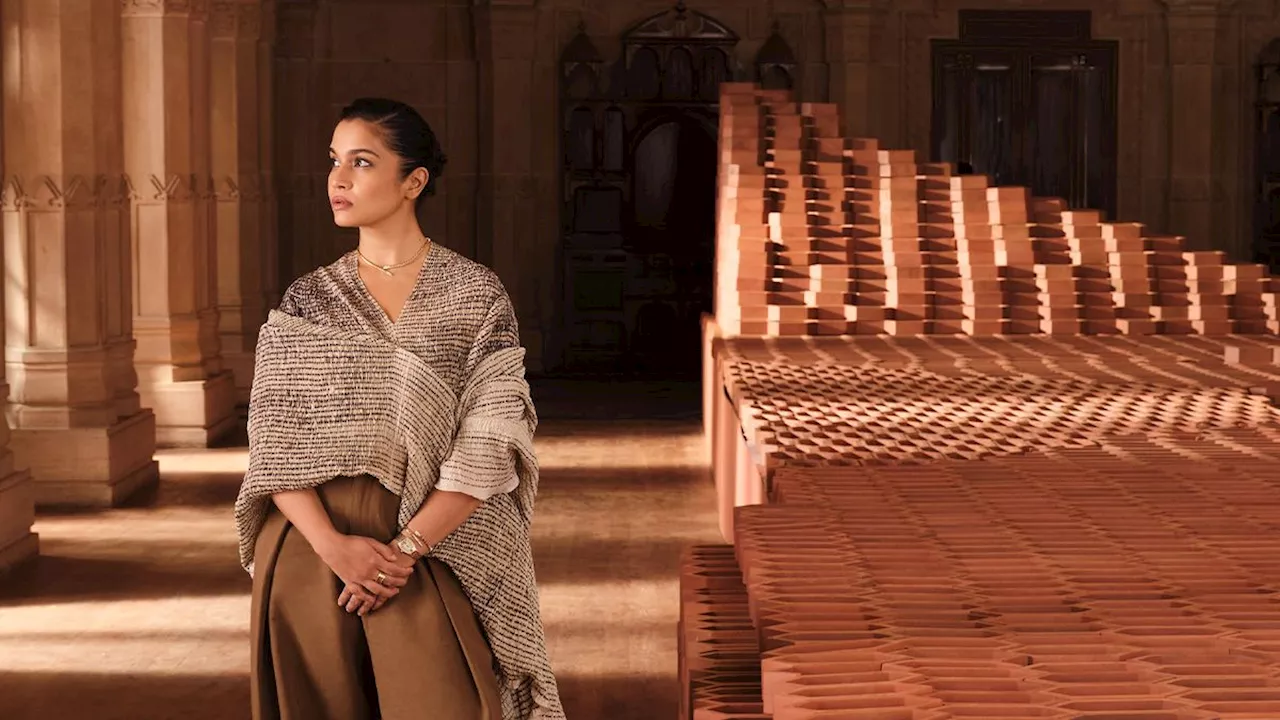
Brands are increasingly being judged on their authenticity, with Bvlgari setting a high bar through its first global Diwali campaign. the brand launched "Passing the Light," which features an installation by artist Doyel Joshi in Jaipur. The piece is constructed from 4,500 terracotta elements shaped into the house’s iconic Serpenti motif, created in collaboration with the Kumhar community of potters.
This deep cultural integration stands in contrast to more superficial approaches. Sumeet Yadav of Reliance Brands suggests that simply adding marigolds or diyas to a global campaign is not a true strategy, as Indian clients can easily spot a lack of genuine effort. Instead, brands like Ferragamo and Valentino are finding success by creating India-exclusive capsules and products crafted by local artisans.
From Sabyasachi at the Met to Harrods’ store-wide displays
The celebration of Diwali has expanded significantly into major global fashion hubs like New York and London. In New York,designer Sabyasachi is set to host a landmark Diwali reception at the Metropolitan Museum of Art on October 21. Other notable events include Cartier’s annual gathering at its Fifth Avenue Mansion and Anjula Acharia’s "All That Glitters" ball, which has become a staple for the South Asian diaspora.
London is also seeing a rise in high-end festive programming. Harrods is hosting a store-wide campaign through November 8, featuring live music and retail theatre, while the UK-India Creative Circle (UKICC) is hosting a couture show by Anamika Khanna at the Royal Automobile Club. These events represent a shift toward making Diwali a visible part of the mainstream luxury narrative in Western cities.
Why brands are struggling to connect in Dubai and London
Despite the growing commercial potential, there are significant gaps in how brands engage with certain regions like Dubai and London. In Dubai, a city with a massive, high-spending Indian community, there is a noticeable lack of brand interaction during this key cultural period, according to personal stylist Mukta Shahdadpuri. In London, some observers, including Chhavi Seth Mediratta, suggest that many activations feel more like shopping opportunities than meaningful cultural connections.
This leaves several questions for the luxury industry: Will brands move toward more immersive, year-round cultural commitments rather than one-off seasonal events? Can international houses successfully navigate the fine line between commercial opportunism and genuine respect? Furthermore,it remains to be seen if the "quiet" celebrations in Dubai are a result of poor planning or a lack of brand interest in the region's specific diasppora.
Comments 0