

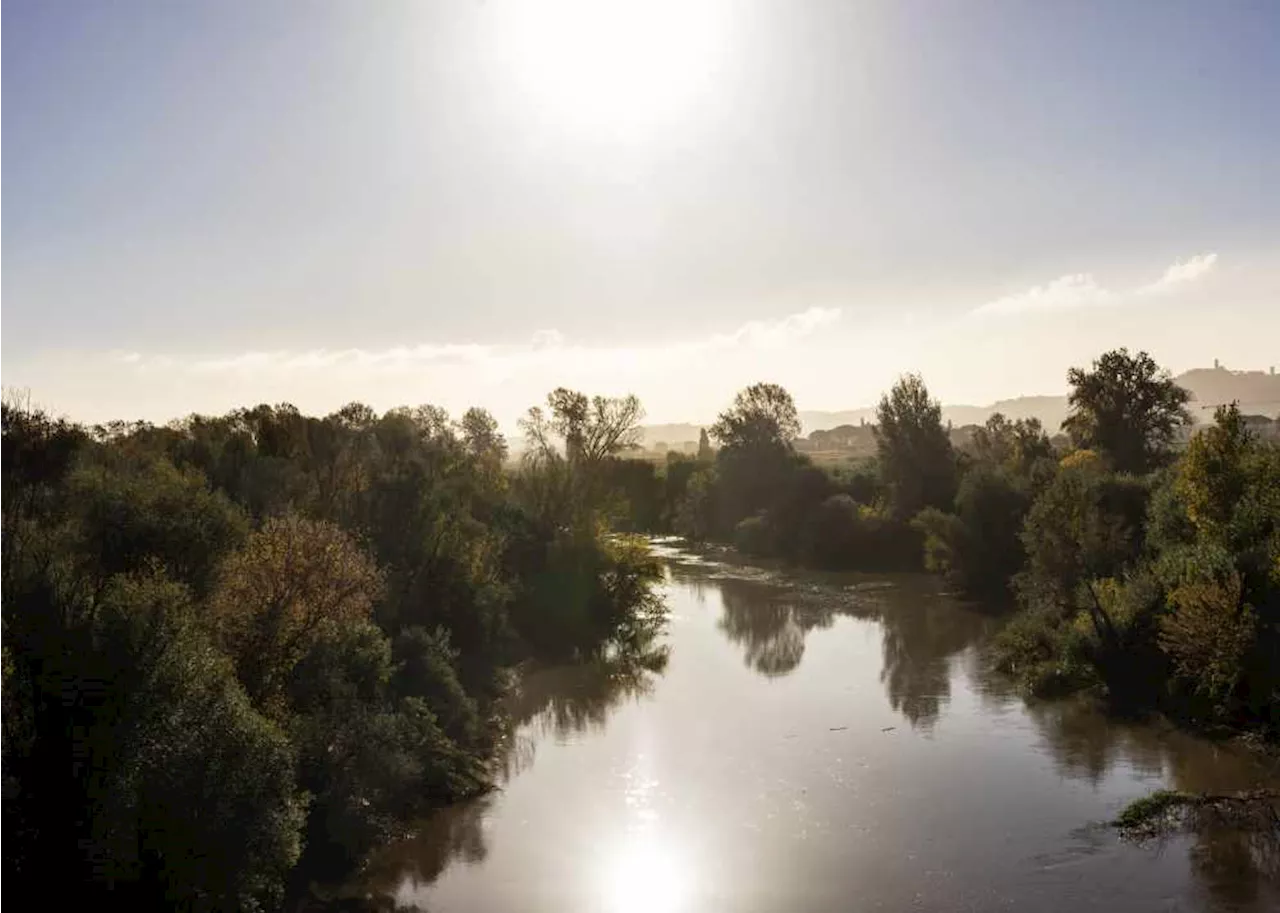
Kering has launched the "Water Resilience Lab — Arno Basin" in Tuscany to combat increasing threats from drought, pollution, and flooding. The initiative, presented at Palazzo Medici Riccardi in Florence, brings together luxury giants and scientific experts to protect the region's vital water systems.
The €1.89 billion cost of the 2023 Tuscany floods
The urgency behind this new environmental initiative is underscored by the devastating economic impact of recent climate events in Italy. According to data collected by the Regional Institute for Economic Planning of Tuscany (IRPET), floods affecting the region in 2023 resulted in an estimated €1.89 billion in damages.
This recent disaster serves as a stark reminder of the vulnerabilities facing the Arno Basin, especially as the region commemorates the 60th anniversary of the catastrophic 1966 Florence flood. Looking ahead, the stakes are rising; the Tuscany region is expected to face more than 50 days of heat stress per year by 2030, a trend that threatens both local ecosystems and the economic stability of the communities that rely on them.
Why Kering, LVMH, and Burberry are teaming up in the Arno Basin
In a rare show of cross-industry unity, major luxury competitors are pooling resources to address systemic environmental risks. The report states that LVMH has already joined the Lab at the highest level,alongside other major contributors including Burberry and Assicurazioni Generali.
Marie-Claire Daveu, the chief sustainability and institutional affairs officer at Kering, emphasized that no single corporation can tackle climate change or water risk in isolation. The project aims to move away from fragmented, individual efforts in favor of "systemic collaboration" between public and private institutions, academia, and the scientific community. Helène Valade, LVMH Group environment development director, noted that this collective action is a direct extension of the group's 'LIFE 360' environmental strategy.
Six restoration 'hot spots' from Pisa to the Chiana Valley
The Water Resilience Lab is already moving from theory to practice by targeting specific geographic areas for nature-based restoration. The initiative has identified six "hot spots" where interventions are currently underway to protect prominent manufacturing districts, cultural sites , and tourism hubs.
These priority areas include Villa Petriolo, the Ombrone — Bisenzio area, Altopascio — Lake Sibolla, the Pisa — Era Basin, the Usciana — Pescia River, and the Arezzo — Chiana Valley. The roadmap for these projects is built on a "Nexus approach"—a scientific framework developed by Etifor and departments at the University of Florence, including DAGRI and DICEA, to understand the interconnections between water, nature, climate, and society.
Can the Lab's 'innovative financial instruments' scale globally?
While the project establishes a collaborative roadmap, several questions remain regarding the long-term mechanics of its success.. The Lab intends to use public-private cofinancing and "innovative financial instruments" to create a replicable model for other river basins worldwide, but the specific nature of these financial tools has not yet been fully detailed.
Furthermore, while the initiative addresses water scarcity and floods, it remains to be seen how effectively the Lab will tackle the specific issue of water pollution mentioned in its mandate. As the project moves forward, observers will be watching to see if this partnership between luxury conglomerates and scientific bodies can truly serve as an international benchmark for environmental resilience.
Comments 0