

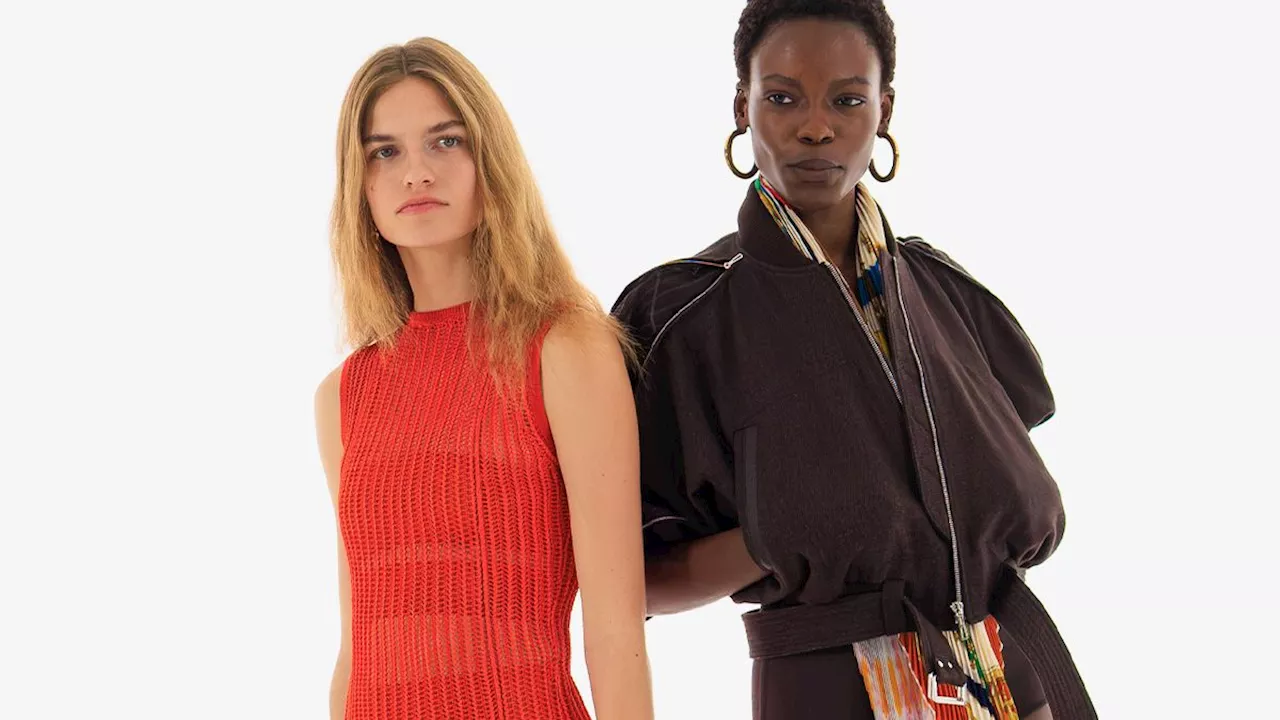
Hermès recorded a 4.3% increase in revenue for the third quarter of 2026, bringing its total earnings to €4 billion. Although the company remains in growth mode, the result fell short of the 5.2% growth analysts had anticipated.
The €1.91 billion surge in leather goods and saddlery
The primary engine driving the luxury house is its core leather business. According to the report, leather goods and saddlery grew by 10.8%, reaching €1.91 billion in sales. This suggests that the ultra-high-net-worth appetite for investment pieces like the Birkin and Kelly bags remains virtually untouched by the economic headwinds affecting the broader luxury market.
This trend reflects a wider shift in internet culture and luxury consumption toward "quiet luxury" and tangible assets.. While consumers may be hesitant to spend on seasonal trends , the perceived resale value of Hermès leather goods transforms these purchases from mere shopping into portfolio diversification. This resilience allows Hermès to maintain a trajectory that many of its peers currently envy .
Why Asia-Pacific growth remained flat while Japan rose 9.6%
The geographical breakdown of the third quarter reveals a stark divide in global spending. While Japan saw a robust 9.6% increase and the Americas grew by 8.8%, the Asia-Pacific region (excluding Japan) remained flat. Even more concerning for the brand is the 4.5% decline in regions including the Middle East.
As reported, analysts from Jefferies, including James Grzinic, pointed to a sequential deceleration in China as a primary driver for these challenging earnings. The stagnation in the Asia-Pacific market is a critical signal, as this region has historically been the most aggressive growth engine for European luxury houses. The contrast between Japan's boom and China's plateau suggests a shifting map of luxury influence.
The 6% drop in watch sales and the lag in ready-to-wear
Despite the success of its bags, Hermès is struggling to sell its other offerings. The report notes that watch sales plummeted by 6% to €125 million, and ready-to-wear and accessories dipped by 2% to €1.14 billion. Other sectors, including jewelry and homeware, also saw a 1.1% decline, totaling €486 million.
James Grzinic of Jefferies described the lag in these non-leather categories as having worsened to "unprecedented levels." This creates a precarious dependency: Hermès is increasingly relying on a single product category to carry the entire brand's financial weight. it raises the question of whether the Hermès prestige is currently limited to its leather craftsmanship rather than its overall lifestyle vision.
Grace Wales Bonner and Nadège Vanhée's upcoming 2027 debuts
To combat the slump in apparel, Hermès is pivoting its creative strategy. Executive chair Axel Dumas announced that the brand is preparing for a new year of creation, which will include the first men’s ready-to-wear collection designed by Grace Wales Bonner and the introduction of couture by Nadège Vanhée starting next January.
These appointments represent a strategic attempt to modernize the brand's image and attract a younger , fashion-forward demographic that values artisanal couture over traditional luxury. however, it remains unclear if these creative shifts can reverse the negative growth seen in the ready-to-wear sector or if the market's appetite is strictly limited to the brand's leather icons.
Comments 0