

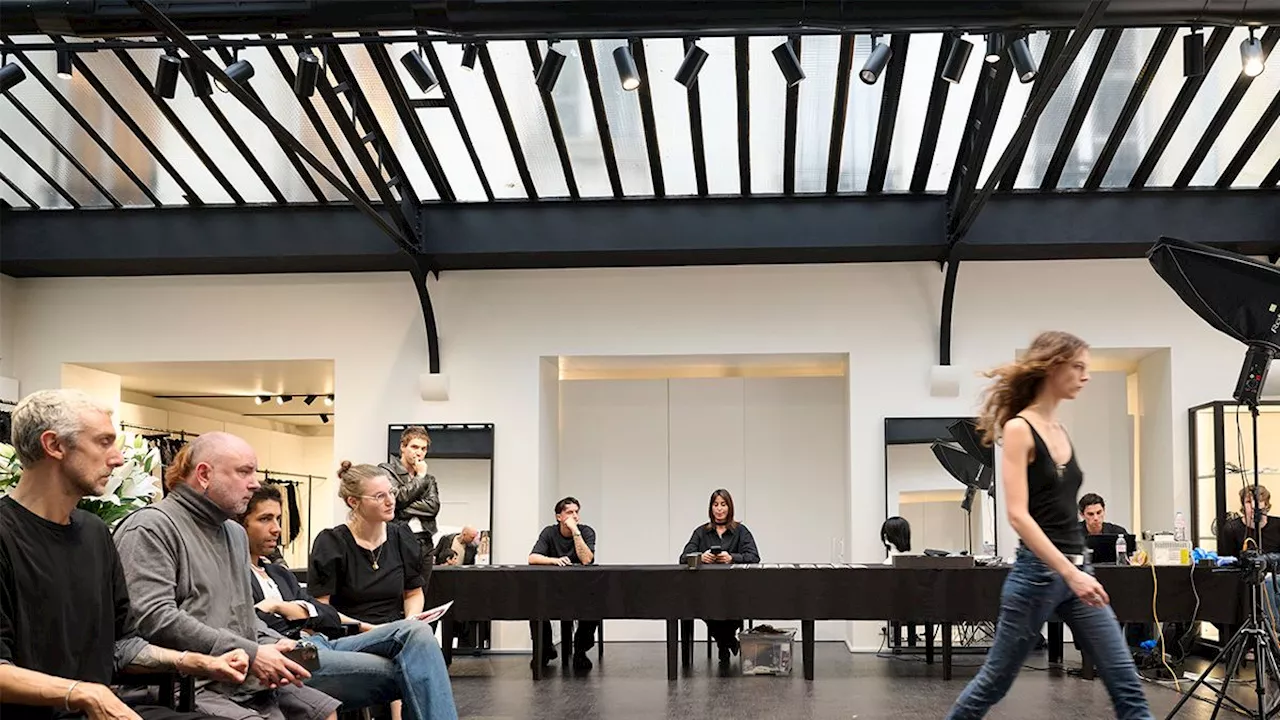
During the Spring/Summer 2027 season, casting directors navigated a high-pressure landscape of runway shows and digital campaigns across the world's major fashion capitals. Professionals like Julia Lange and Emma Matell managed massive teams and complex logistics to select the faces that define the industry's visual identity.
Why the constant social media scroll demands specialized agencies
A decade ago, luxury brands largely handled their own model selection for runways and campains.. However, the digital landscape has fundamentally changed the volume of work required from fashion houses. As Ben Grimes noted in the report, the need for constant new imagery is driven by the fact that people are "scrolling all day," requiring brands to move much faster than they did in the past.
This releentless demand for content has fueled the rise of specialized agencies like Julia Lange Casting. Instead of a single campaign lasting months, luxury players now stage multiple runway shows a year alongside near-monthly campaigns for categories like eyewear and bags. This shift has turned casting into a massive, multi-team operation that requires constant efficiency to keep up with the pace of inetrnet culture.
The math of fashion: 27,000 photos and 800 models
The scale of modern casting is staggering when looking at the raw data. According to the report,Emma Matell’s team saw 1,200 models and took 27 ,000 casting photos on their phones to prepare for shows such as Cecilie Bahnsen. For these professionals, the job is as much about data management as it is about aesthetic intuition.
Julia Lange, who manages a 17-strong team, oversees a grueling schedule that can include visiting five different clients in a single day. During the season, her team estimated they saw more than 800 models, often zipping between appointments on moto-taxis to keep up with the demands of 18 different shows across New York, London, Milan, and Paris.
From German actors to OnlyFans stars: The new Versace mix
The era of chasing only the same "top 50 girls" is giving way to a much broader definition of beauty. Casting directors are increasingly looking toward street casting and unconventional talent to find "hidden jewels." This approach has led to much more diverse runways that reflect a wider range of identities and backgrounds.
For example, when scouting for Versace, Julia Lange’s team looked far beyond traditional model agencies, incorporating a mix of talent that included a German actor and an OnlyFans star.. Similarly, Emma Matell has worked with designer Sinéad O’Dwyer to bring disabled models to the runway, using the casting process to spark necessary conversations about diversity and representation in the fashion world.
Managing 80 agents and the question of long-term model well-being
Beyond the glamour, the role involves intense logistical "fires" and complex negotiations . Matell reported speaking to more than 80 agents at once to coordinate call times and model availability. The job also requires constant troubleshooting, with Ben Grimes noting that teams frequently deal with broken computers, malfunctioning printers, and the intense "politics" of booking models who may be holding out for bigger clients.
While the report highlights the technical and political hurdles, it leaves several critical questions unanswered. It remains unclear how the industry will address the psychological toll on models who, as Matell suggests, are often treated as less than human. Furthermore, while the intense, "giving birth" level of stress experienced by casting teams is documented, the long-term impact of this high-velocity environment on the mental health of both the staff and the models remains a significant, unaddressed concern.
Comments 0