

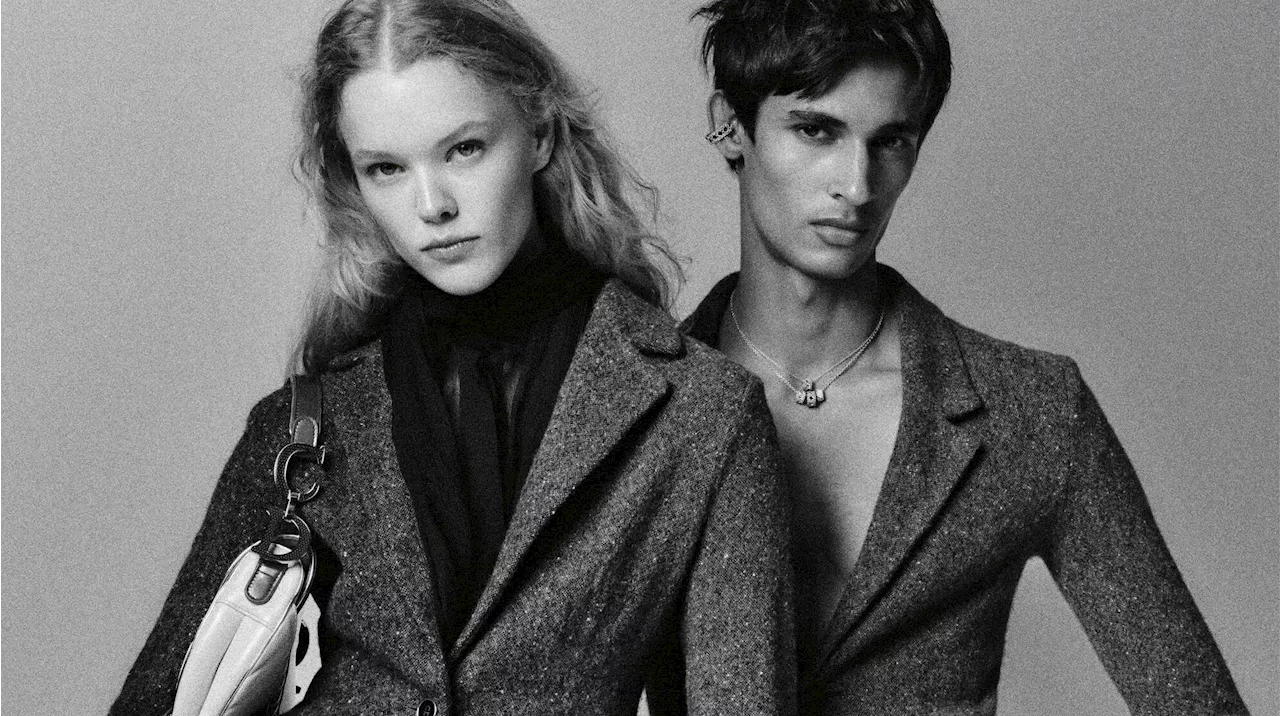
Mixte magazine, established by Tiziana Humler-Ravera and Christian Ravera, is celebrating a 25-year legacy of defying traditional fashion boundaries. Launched in 1996, the publication has served as a platform for gender-neutral aesthetics and radical creative expression.
The 1996 era of CK One and Jean Paul Gaultier
Mixte's identity was forged during a specific cultural moment in the mid-1990s. the publication emerged alongside the peak popularity of CK One fragrance and the gender-bending runway shows of designer Jean Paul Gaultier . this era provided the perfect backdrop for a magazine that sought to challenge the binary nature of the fashion industry.
As the report states, the founders wanted to create something that stood apart from the standard fashion press of the time. Tiziana Humler-Ravera, a veteran publisher, noted that if they were to launch a fashion title, it needed to be different, which is why they centered the concept on unisex style. This approach allowed idled photographers to experiment with visual storytelling without the constraints of traditional gender roles.
A launchpad for Babeth Djian and Carine Roitfeld
The magazine acted as a vital incubator for several of the industry's most influential figures. For example, the publication's debut issue featured Stella Tennant and Vincent Gallo wearing identical pinstriped attire, setting the tone for years to come. The report highlights that Babeth Djian, who later founded Numéro magazine in 1999, served as the editor in chief for that very first issue.
Beyond its editorial staff, Mixte conscripted a legendary roster of contributors and subjects. The magazine featured Naomi Campbell as early as 1997 and worked with acclaimed photographers such as Peter Lindbergh, Paolo Roversi, and Jean-Paul Goude. Other notable names who found success through the magazine include Carine Roitfeld, Emmanuelle Alt, and Olivier Zahm.
From Iranian women's rights to the International Space Station
Mixte's editorial scope extended far beyond the runway, often tackling substantive social issues. The publication was known for its investigative pieces, including an early report that delved into the repressive conditions faced by women in Iran . This commitment to "agenda news" helped distinguish the magazine from those that focused solely on advertiser-driven content.
The magazine also sought out surreal and unexpected cultural encounters . According to Tiziana Humler-Ravera , one of their most memorable moments involved Karl Lagerfeld conducting a live televised interview with French astronaut Thomas Pesquet. The interview was particularly unique because Pesquet was floating in zero gravity while on board the International Space Station.
Where is the Mixte anniversary display being held?
While the report details a thematic display organized to celebrate the magazine's history, it leaves several logistical details unaddressed. It remains unclear where this anniversary display is physically located or if it is a digital-only experience. Furthermore, the report does not specify if there are new print or digital iterations of Mixte planned to mark this 25-year milestone.
Comments 0