
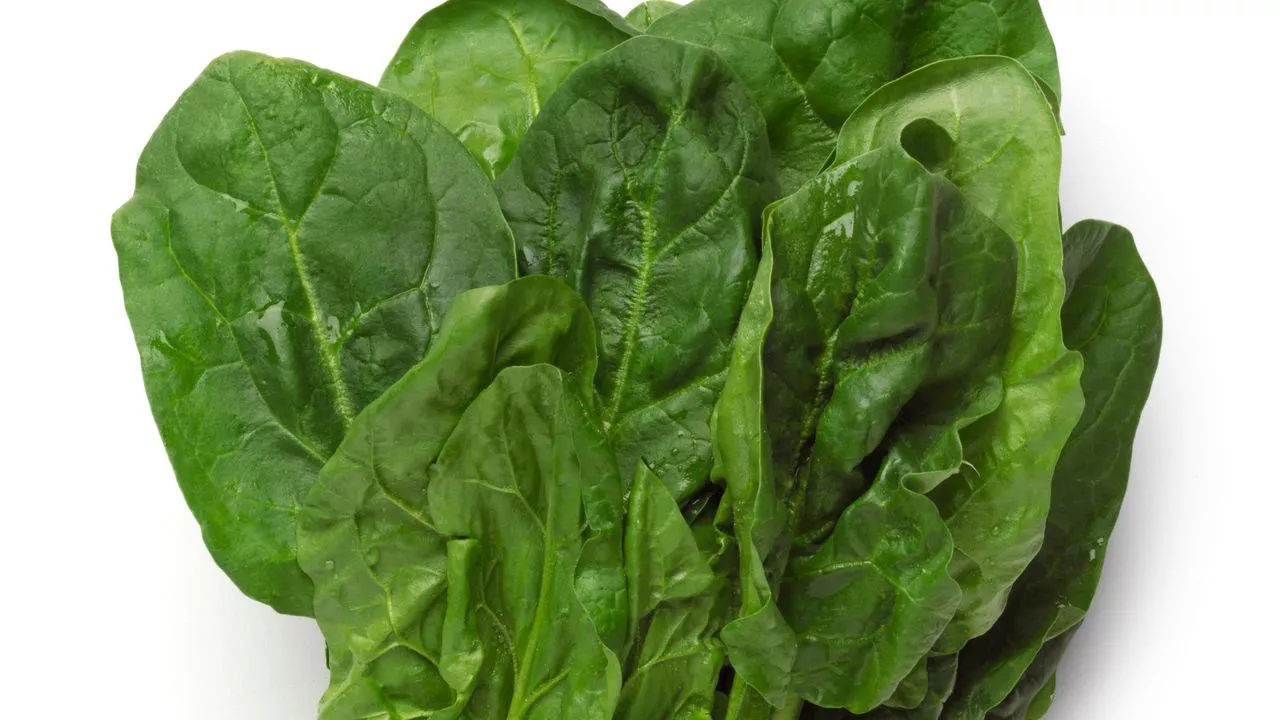
Low ferritin levels can trigger symptoms like hair shedding and brain fog even when hemoglobin appears stable. Experts suggest that managing these iron stores requires strategic meal timing rather than just eating more iron-rich foods.
Why "normal" hemoglobin levels can mask hair loss and brain fog
Many women assume that if their blood tests come back within a standard range,they are perfectly healthy. However,there is a critical distinction between hemoglobin and ferritin that often goes overlooked in standard wellness checks. while hemoglobin measures the iron currently circulating in your blood, ferritin represents your body's long-term iron reserves.
As the report notes, low ferritin is frequently the first warning sign that your iron stores are depleting, often occurring long before clinical anemia is detected. This gap in detection is why many people experience persistent fatigue, feeling cold, or noticing hair shedding even when their hemoglobin levels appear perfectly normal.. This phenomenon aligns with a growing trend of women seeking more granular bloodwork to explain chronic, low-level symptoms that standard tests might miss.
The cast-iron skillet method and the heme vs. non-heme divide
Improving iron levels is not about a single "superfood," but rather about understanding how different types of iron interact with your body. According to Ehsani, there are two primary categories of dietary iron: heme iron, which is found in animal-based sources and is more easily absorbed, and non-heme iron, which is found in plant-based foods and fortified cereals.
To maximize absorption, the report suggests a few specific dietary strategies:
- Combine sources: Shapiro encourages eating both heme and non-heme sources in the same meal to boost efficiency.
- Use cookware: Shapiro suggests cooking in a cast-iron skillet, as the food can actually draw iron from the pan itself.
- Consistency is key: Rather than a quick fix, Shapiro notes that focusing on one high-iron meal per day can show results in a few weeks.
- The one-hour rule: Drink tea, coffee, or red wine at least one hour before or after an iron-rich meal.
- Watch the calcium: Because calcium competes with iron for absorption, avoid pairing milk or calcium supplements with your high-iron dinners.
- Mind the eggs: Eggs contain a specific protein that binds to iron, making them a poor partner for iron-boosting meals.
How tea, coffee, and red wine can block your iron uptake
It is not just about what you add to your plate, but also what you drink alongside it. Certain common beverages contain tannins and polyphenols that can significantly hinder the body's ability to absorb iron. the report highlights that red wine, as well as tea and coffee, can act as inhibitors if consumed at the wrong time.
To avoid these interference patterns, Shapiro recommends the following timing adjustments:
The lack of specific dosage guidance and the unnamed nutritionist
While the report offers practical lifestyle shifts, it leaves several important questions unanswered for those looking for medical-grade solutions. Most notably, the text does not provide specific recommended dosages for iron or guidance on when a person should move from dietary changes to medical supplementation.
Additionally, the source contains a gap in its reporting regarding the identity of the first expert mentioned. While it references an "integrative nutritionist and psychologist, RD," the specific name of this professional is missing from the text, leaving readers unable to verify their specific credentials or further research their work. The report focuses heavily on dietary timing, but it does not address how individuals with severe deficiencies should manage their care beyond these nutritional tweaks.
Comments 0