

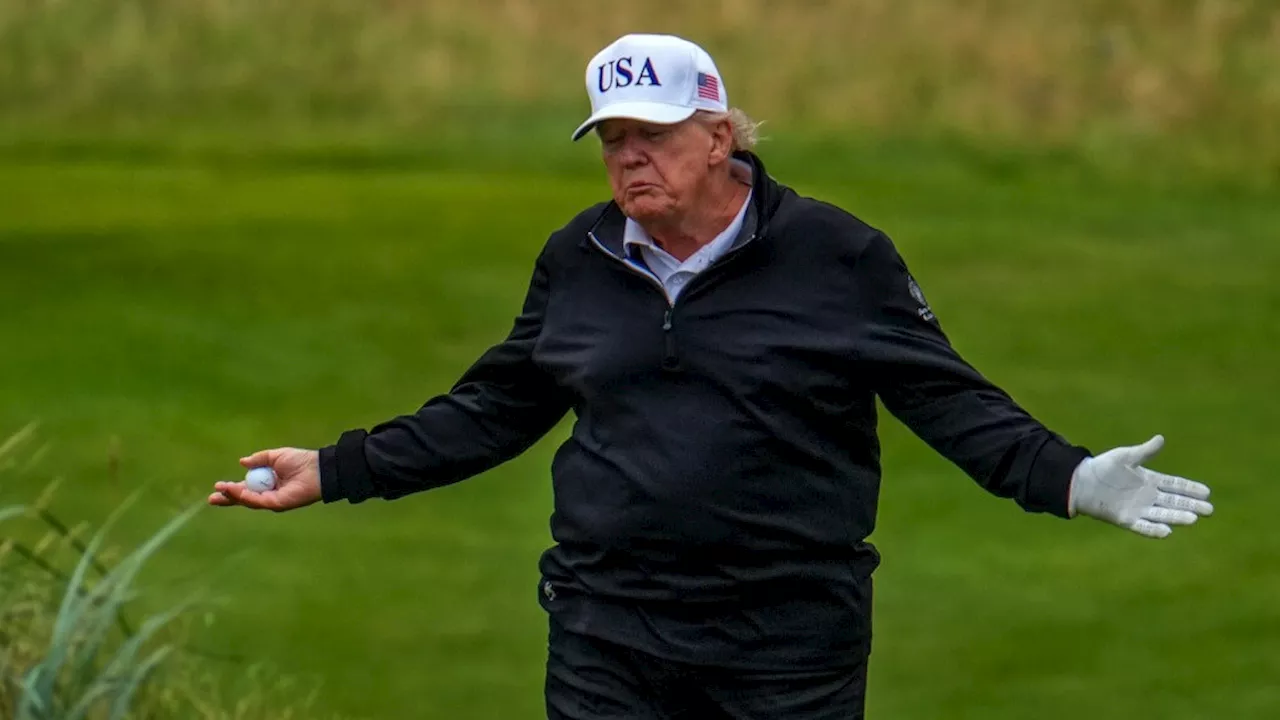
During a recent political rally in Georgia, Donald Trump dismissed concerns over rising fuel costs, stating that the oil industry is making a massive fortune. He expressed indifference toward the financiaal struggles of citizens, focusing instead on the high profits of the energy sector.
"I don't give a damn" at a Georgia rally
Donald Trump addressed a crowd in Georgia, making blunt comments about the current state of fuel prices. According to a report by Jezebel, Trump told supporters that he "doesn't give a damn" about the high costs at the pump because the oil industry is currently making a "freaking fortune."
In what the report describes as a "meta moment," Trump mocked the potential media backlash regarding his comments. He claimed he could already hear headlines accusing him of bragging about corporate wealth while people suffer, but he doubled down on his stance, emphasizing the massive revenue being generated by the sector. The report notes that when Trump uses the term "we" to describe these profits, he is referring to himself, his family, and the oil industry rather than the general public.
The "hundreds of billions" in U.S. oil and gas profits
Trump claimed that while oil prices may be temporarily high, the United States oil and gas business is currently making hundreds of billions of dollars. This claim stands in stark contrast to the "sticker shock" many Americans are experiencing at grocery stores and gas stations. The Jezebel report suggests that these high prices are tied to tariffs and the ongoing Iran War, which has constricted the global flow of oil from the Middle East.
The economic impact of these tensions varies significantly by location. the report notes that depending on a person's state, they could be paying as much as 50% more for gas than they were before the conflict in Iran began. Trump attempted to mitigate these concerns by claiming that current prics are still lower than those seen during the Obama and Biden administrations, though the report presents this as a point of contention.
When will the Iran War end to lower fuel costs?
A central part of Trump's message was the promise that gas prices would eventually fall once the Iran War concludes. however, the report raises significant questions regarding the lack of a specific timeline for this resolution. While Trump frames the current price hikes as temporary, there is no verified information regarding when the conflict might end or how a resolution would immediately stabilize the market.
This leaves several critical questions unanswered for voters concerned about their cost of living. It remains unclear how the administration's specific policies on tariffs and Middle Eastern intervention will interact with global oil supply in the coming months. For now, the distinction remains between the "hundreds of billions" being made by energy companies and the immediate financial pressure on the average consumer.
Comments 0