
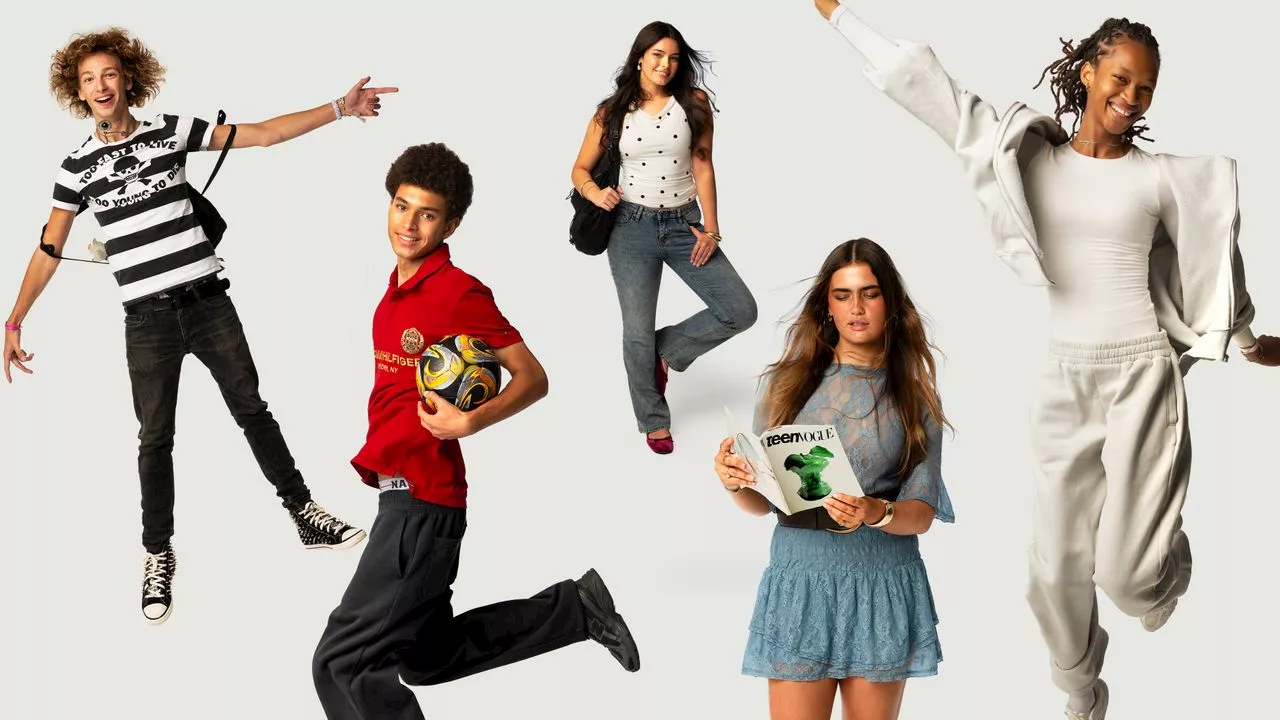
Eight high school students in New York City recently showcased their first-day-of-school outfits to Teen Vogue. The collection of looks reveals a diverse range of styles, from vintage-inspired grunge to highly curated social media trends.
Moving past Hailey Bieber’s 'clean girl' aesthetic
For the past few seasons, the internet has been obsessed with the "clean girl" aesthetic—a look defined by slicked-back hair, minimal makeup, and a polished, almost clinical sense of perfection. However, the latest reports from New York City classrooms suggest a shift toward something more textured and lived-in. According to a report by Teen Vogue, the current student landscape is increasingly defined by "thrifted grunge finds" rather than the hyper-curated minimalism popularized by influencers like Hailey Bieber.
This move toward grunge isn't just about looking messy; it is about a rejection of the pressure to appear flawless. We see this in the preference for items like scuffed Frye boots that are worn nearly every day, signaling a move toward durability and personal history over the fast-fashion pursuit of the "perfect" image. for many Gen Z students, the goal is no longer to look like a filtered Instagram post, but to look like a person with a life.
Why one student is wearing 20-year-old jeans kept in the freezer
In a move that perfectly encapsulates the intersection of sustainability and internet-era quirkiness, one student shared a unique method for maintaining vintage clothing. As the students shared with Teen Vogue, one individual opted to wear her father's jeans, which had not been laundered in two decades.. To manage the hygiene aspect , the student explained that the family has been "putting them in the freezer" to kill germs.
While the "freezer method" might sound extreme to older generations, it reflects a broader, growing trend within youth culture to extend the life of garments through unconventional means. This approach to fashion prioritizes the character and history of a piece of clothing—even if it comes with a bit of a biological workaround—over the mindless consumption of new, mass-produced denim .
A necklace from Guinea as a tool for cultural identity
Beyond the trends of grunge or minimalism, first-day outfits are increasingly serving as canvases for cultural storytelling. One student highlighted this by wearing a specific necklace sourced from her home country, Guinea. For this student, the jewelry was not merely a fashion choice but a way to carry her heritage with her as she navigated the school year.
This emphasis on "defining yourself with details" suggests that for today's students, accessories like backpack charms or cultural jewelry act as essential markers of identity. in an increasingly globalized and digital world, these physical objects provide a tangible connection to one's roots, allowing students to signal who they are before they even speak a word.
The question of whether Depop and TikTok are killing original style
While many students are using fashion to express unique identities,there remains an unanswered question regarding the influence of algorithmic trends. One student noted that she purchased a camisole on Depop specifically because she had seen it frequently on TikTok throughout the summer. this raises a significant point of tension: is the "thrifted" look actually a new form of fast fashion driven by digital cycles?
If a student buys a "vintage" item because a TikTok algorithm told them it was trending, the line between authentic self-expression and algorithmic mimicry becomes incredibly thin.. It remains to be seen whether the current move toward grunge and thrifted styles is a genuine departure from the "clean girl" era, or simply the next predictable cycle in a loop of social-media-driven consumption.
Comments 0