
The cultural perception of English literature is undergoing a significant glow-up, moving from dusty lecture halls into the center of high-fashion discourse. driven by celebrity reading lists and a surge in cinematic adaptations, the 'literary heroine' is becoming a primary blueprint for modern style.
Billie Eilish and Daisy Edgar-Jones lead a wave of cinematic adaptations
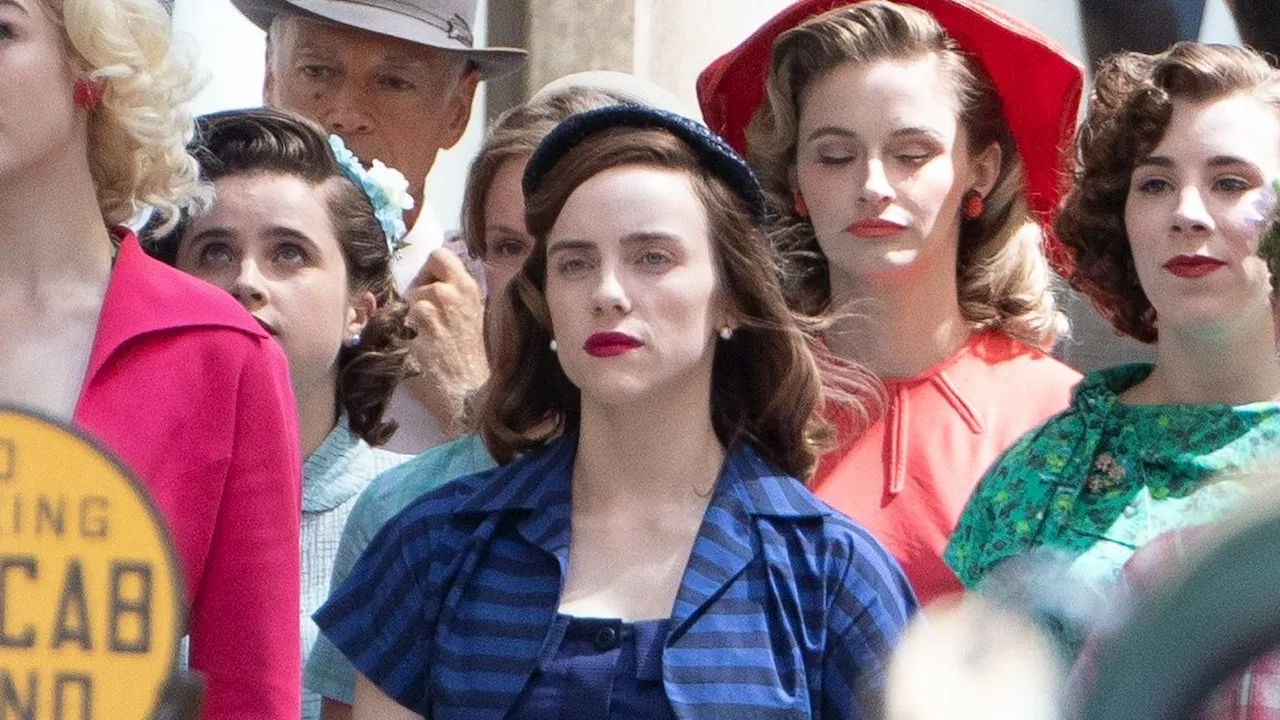
Upcoming film adaptations are driving this trend by bringing 'syllabus-friendly' novels to a mainstream audience. According to the report, the autumn season is set to feature a mid-century take on Sylvia Plath’s 1963 novel starring Billie Eilish, alongside a new cinematic project featuring Daisy Edgar-Jones. These projects do more than just tell stories; they translate literary themes into visual, wearable aesthetics.
This movement marks a departure from the era when studying literature was seen as a purely academic, unstylish pursuit. instead, the intersection of cinema and prose is creating a new kind of cultural capital where being well-read is synonymous with being well-dressed.
The 'Austen industrial complex' and the return of empire lines
The enduring popularity of Jane Austen is expected to influence fashion forecasts as far as 2027, with empire lines and reticules poised for a comeback. This phenomenon, often referred to as the 'Austen industrial complex,' draws heavily from the visual legacy of past adaptations. The report highlights the 1985 Merchant Ivory production of A Room with a View, featuring a young Helena Bonham Carter as Lucy Honeychurch, as a key touchstone for this whimsical, elegant style.
This trend suggests that readers are looking to the past to find a sense of structure and elegance. As these classic characters are reimagined, their historical wardrobes provide a steady stream of inspiration for contemporary designers and enthusiasts alike.
From Sally Rooney's black dresses to Florence Pugh's 19th-century frills
Wardrobe choices in film adaptations provide a visual shorthand that helps audiences connect with a character's internal world. The source notes how writers use clothing to signal identity, such as the 'filmy black dress' worn by Sally Rooney’s Marianne Sheridan or the 'weight of the crinoline' experienced by Virginia Woolf’s Orlando. when these characters appear on screen, the fashion becomes even more direct, offering immediate inspiration for moodboards.
For example, Florence Pugh’s recent styling—featuring 19th-century frills, patterns, and 1950s-inspired wide skirts and short-sleeved sweaters—serves as a direct bridge between historical fiction and modern trends. Similarly, the report mentions how characters like Mary Gaitskill’s Debby use 'bland ugliness' in their clothing to communicate professional monotony, proving that even 'unfashionable' clothes can be a powerful narrative tool.
Why TikTok is obsessed with Donna Tartt's unfilmed heroines
Digital creators on TikTok are finding inspiration in books that have never even been adapted for the screen. There is a massive volume of content dedicated to the imagined makeup and style of Camilla Macaulay from Donna Tartt’s novels. Olivia Petter, an author who draws inspiration from characters like Caroline Palmer’s Clo—who uses leopard print and fur coats as a form of 'performance'—suggests this obsession stems from a desire for romanticism. Petter argues that in an era dominated by the 'robotic' nature of AI, there is a deep human craving for the softness and fantasy found in literature.
However, several questions remain regarding the future of these literary icons. While the digital interest is high, the report notes that Donna Tartt’s work has famously never been brought to the screen, leaving fans to wonder if a major production will ever materialize.. Furthermore, it remains unverified whether these highly specific TikTok aesthetics, such as the 'in-our-head' makeup looks, will actually influence mainstream retail or remain confined to niche internet subcultures.
Comments 0