
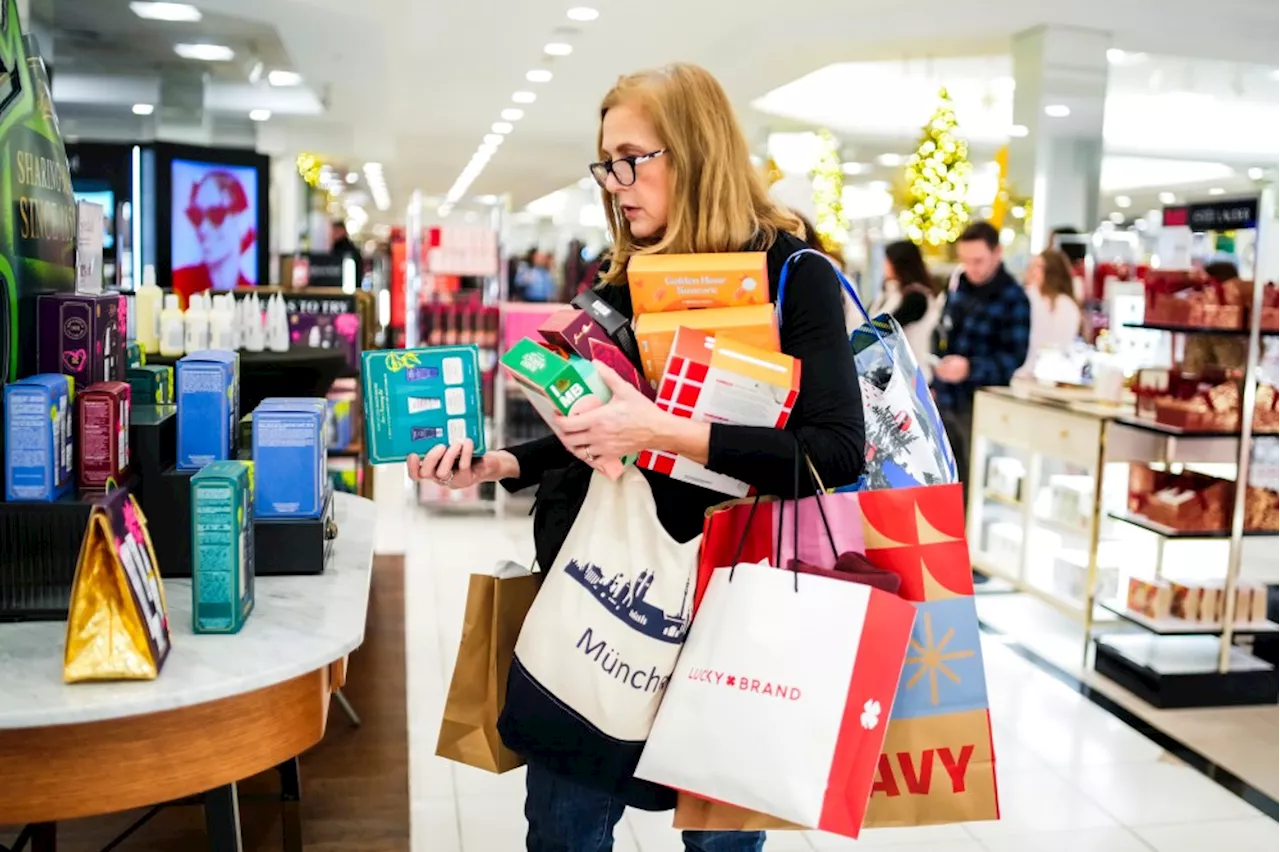
Shoppers in the U.S . and abroad are heading into the Black Friday and Cyber Monday season with significantly lighter wallets. New data suggests a major shift in consumer behavior as people prioritize necessities over high-ticket luxury items .
The $143 drop in average holiday spending
The average planned budget for Black Friday and Cyber Monday in the U.S. has fallen to $336, according to a report by an email and SMS marketing solution provider. This represents a 30 percent decrease from the $479 average recorded last year. This tightening of the belt is visible across all demographics, with the share of shoppers planning to spend more than $1,000 plummeting from 15 percent to just 7 percent.
This shift reflects a broader economic trend where consumers are moving away from discretionary luxury and toward essential goods. While the holiday season has traditionally been a time for indulgence, the report's authors noted that nearly 4 in 10 shoppers plan to spend less this season to redirect funds toward necessities. This change in sentiment echoes previous years of economic volatility where holiday spending became a matter of careful calculation rather than festive excess.
Why 38% of shoppers are turning to Buy Now, Pay Later
Flexible payment options are becoming a cornerstone of the modern holiday shopping experience. The report indicates that 38 percent of those surveyed plan to use "Buy Now, Pay Later" (BNPL) services for their Black Friday and Cyber Monday purchases. This reliance on credit-like installments suggests that even as budgets shrink, consumers are looking for ways to manage the cost of larger-ticket items without immediate financial strain.
Price sensitivity is driving almost every decision made at the digital checkout. According to the data, between 52 and 57 percent of consumers are primarily motivated by the size of a discount, while 34 to 38 percent are driven by the promise of free shipping . For the modern shopper, the "deal" is no longer just a bonus; it is the primary requirement for a transaction to occur.
The 22% of Americans using AI to hunt for coupons
Artificial intelligence is rapidly becoming a standard tool in the consumer's arsenal for finding the best prices. Approximately 22 percent of Americans now plan to use AI to seek out deals and coupons, a figure that slightly leads similar intentions in Canada (20 percent), Australia (21 percent), and the U.K. (18 percent). This indicates that the "smart shopper" of 2024 is increasingly tech-enabled and reliant on automated tools to navigate complex discount landscapes.
As AI becomes more integrated into the shopping journey, retailers must adapt to a new kind of visibility. The rise of AI-driven searching means that brands can no longer rely solely on traditional social media discovery; they must ensure their product data and offers are optimized for the algorithms that are now doing the heavy lifting for the consumer.
A 36 .7% sales boost for retailers who prepare early
For e-commerce businesses, the difference between a successful season and a loss lies in proactive preparation. Data from the agentic platform company Hostinger shows that stores that began their holiday preparations 8 to 21 days before Black Friday saw orders increase by 34.2 percent and sales value rise by 36.7 percent. This stands in stark contrast to unprepared stores, which saw sales value decline by 6.2 percent despite a slight increase in traffic.
Justinas Vaičiulis, the product marketing lead for e-commerce at Hostinger, noted that Black Friday serves as a "stress-test" for a company's entire commercial setup. If a site sees an increase in visitors but a drop in orders, it suggests a breakdown in the buying journey—whether that is the product experience, the checkout process, or the payment options offered.
The question of why apparel interest dropped from 57% to 38%
While clothing and accessories remain a top category for holiday shopping, there has been a massive decline in consumer interest compared to last year. The report highlights that the percentage of shoppers planning to buy clothing dropped from 57 percent last year to just 38 percent this year. Similar declines were noted in technology (falling from 53 percent to 35 percent) and toys (falling from 38 percent to 31 percent).
While the data clearly shows the decline,it remains unclear whether this is a permanent shift in consumer lifestyle or a temporary reaction to current inflation. Additionally, the report does not specify if the rise in "necessity" spending is occurring within the apparel sector (such as basic wardrobe staples) or if consumers are abandoning clothing categories entirely in favor of groceries and utilities. It also remains to be seen how much of this shift is driven by the specific demographics polled versus a global economic movement .
Comments 0