
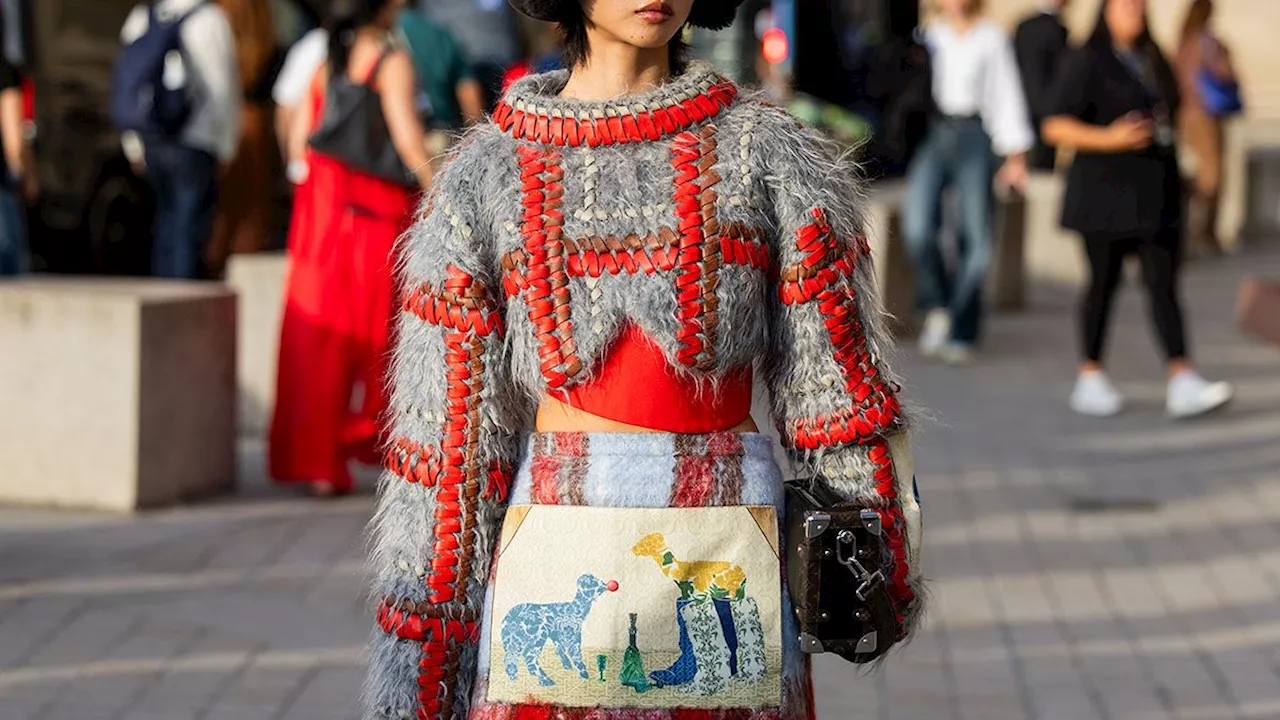
Major luxury players including LVMH and Hermès are seeing a significant decline in their market value. As third-quarter growth expectations drop , the industry is grappling with shifting consumer habits across the globe.
A cooling market from China's new tax to Europe's empty tourist streets
The economic landscape in China is creating significant headwinds for luxury houses. According to Goldman Sachs luxury analyst Erwan Rambourg, a sequential deceleration in the Chinese market is partly linked to the introduction of a new tax on foreign assets. This shift, combined with a general deterioration in the Chinese economic situation, has left many investors feeling cautious about the sector's immediate future.
European luxury hubs are also feeling the pinch due to changing travel patterns.. While American tourists remain a cosistent source of demand, Asian vistors have yet to return to Europe in significant numbers, and Middle Eastern tourism has not fully recovered . This lack of international foot traffic is expected to act as a drag on third-quarter performance across the continent.
Why Richemont’s jewelry division is defying the 2.7% growth slump
While the broader luxury sector is expected to see growth slow to an average of 2.7% in Q3, Richemont is emerging as a notable exception. The group has significantly outperformed the industry, with its fiscal Q1 up 20% compared to an industry average of just 7%. This resilience is largely driven by the jewelry sector, which includes powerhouse brands like Cartier and Van Cleef & Arpels.
Jewelry is proving to be a more stable asset class for affluent consumers during periods of economic volatility. As senior equity analyst Jelena Sokolova of Morningstar noted, jewelry brands have been less aggressive with price increases, leading consumers to view these pieces as reliable investments. HSBC estimates suggest that Richemont's jewelry division could see a 17% increase in Q3, even as other luxruy categories struggle.
The $1.5 million trademark battle between Louis Vuitton and Molly Tea
Legal disputes in China are adding another layer of complexity to the luxury landscape, specifically regarding intellectual property. A recent high-profile case saw a local tea brand, Molly Tea, ordered to pay approximately $1.5 million to Louis Vuitton for trademark infringement involving a four-petal emblem. This legal battle has sparked significant pushback on Chinese social media, potentially impacting the brand's regional sales.
Despite the social media friction, LVMH leadership remains firm on its stance regarding brand protection. During a previous earnings call, LVMH CFO Cécile Cabanis emphasized that protecting intellectual property is an absolute key asset for the company. However, analysts are still watching to see if this specific litigation will leave a lasting dent in the brand's reputation among Chinese consumers.
Can GucciCore and holiday pricing rescue a soft Q3?
The industry is currently looking toward the end of the year to see if the recent slump is structural or merely cyclical. While analysts expect a "soft" third quarter, there is optimism that the holiday season might provide a much-needed boost. For brands like Gucci, the emergence of trends like "GucciCore" and potential improvements in pricing architecture are seen as vital tools for recovery .
There are still several critical questions that remain unanswered as the earnings season unfolds. Analysts are specifically asking what will be required for the Chinese market to stabilize and whether Q3 will truly represent the lowest point for the industry.. Furthermore, it remains to be seen if the recent moderation in wealth generated by the AI and tech sectors will continue to dampen luxury spending through the end of the year.
Comments 0