

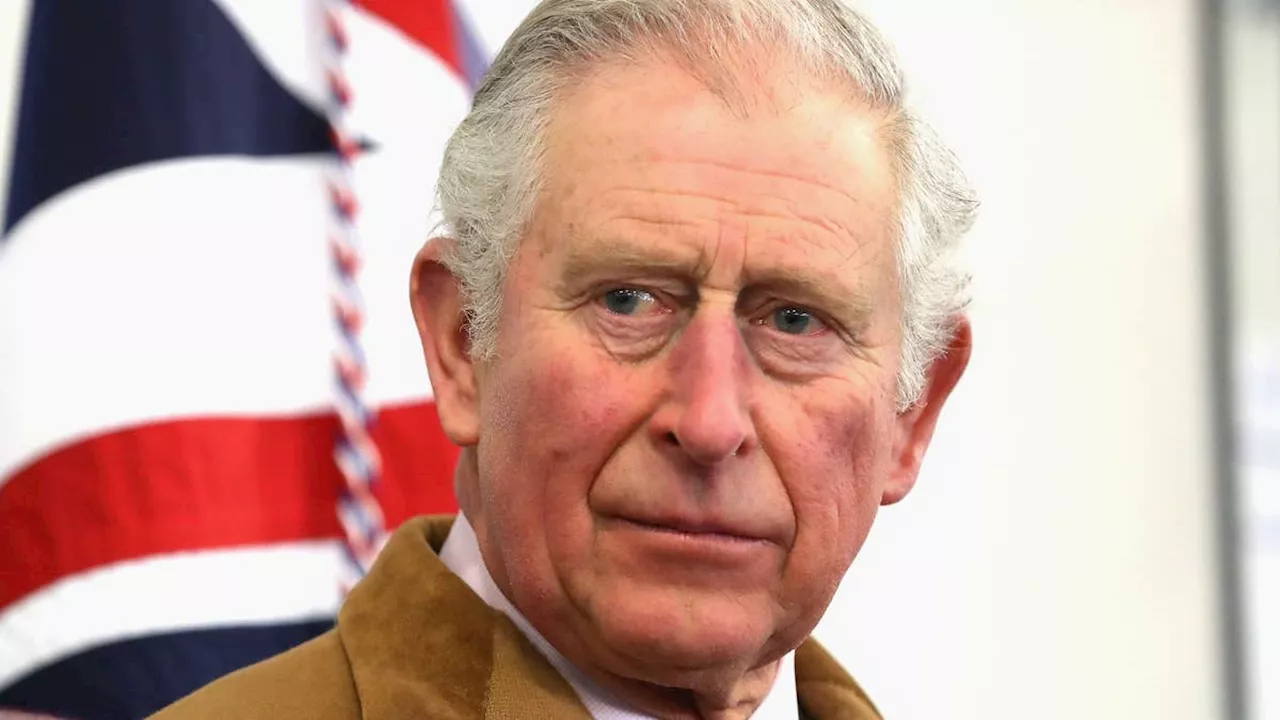
King Charles III, 77, does not utilize the NHS medical facility located within Buckingham Palace.. Instead, the monarch relies on a dedicated, around-the-clock team of physicians known as the Royal Medical Household.
The secret medical centre serving 800 Buckingham Palace staff
Buckingham Palace operates much like a massive, self-contained ecosystem that requires its own specialized infrastructure to maintain daily operations. Within the Royal Mews—the historic area where the King’s horses and vehicles are kept—there is a dedicated NHS GP surgery. This medical centre is specifically designed to support the 800 staff members who work on the palace grounds , including those occupying the 188 staff bedrooms located on the estate.
This infrastructure, which even includes a private post office to serve the palace community, is essential for the smooth running of the royal estate. Having an on-site facility ensures that the large workforce remains healthy, particularly during the height of the cold and flu seasons.
Why the Royal Medical Household replaces the palace's NHS surgery
The King’s decision to bypass the palace's internal surgery is rooted in a centuries-old tradition of monarchical healthcare. Rather than using the facility available to the general staff, King Charles III is attended to by the "Royal Medical Household." As the report from Channel 5 highlighted, this robust and expert team of physicians and doctors provides 24-hour on-call support.
This level of service ensures the monarch has immediate access to specialized care at any hour, a luxury not afforded to the wider palace staff. This tradition of a private medical household has been a staple for monarchs through the decades, ensuring that the crown's continuity is never interrupted by sudden health emergencies.
The mystery surrounding King Charles III's specific cancer type
While the King has been remarkably transparent about his health milestones, several details regarding his diagnosis remain unconfirmed. In December 2025, the King shared that his cancer treatment schedule could be reduced in the coming year due to early intervention and adherence to medical orders. However, the specific nature of the illness remains an open question, as the palace has not disclosed the exact type of cancer.
As the source reports, the only confirmed detail is that the diagnosis occurred during medical treatment for an enlarged prostate. In response to his experience, the King has become a vocal advocate for public screenings, specifically highlighting the national Screening Checker for:
- Breast cancer
- Bowel cancer
- Cervical cancer
A shared health battle between King Charles and Princess Catherine
The King’s recent health journey mirrors the highly publicized medical battle of Princess Catherine . Following abdominal surgery that revealed the presence of cancer cells, the Princess underwent preventative chemotherapy, which she concluded in September 2024. By January 2025, Catherine announced she was officially in remission, a milestone that has allowed her to return to her public duties.
The shared experience of the King and the Princess has created a unique moment of vulnerability for the monarchy. Since her recovery, the Princess has used her platform to advocate for cancer awareness, mental health support, and the restorative benefits of nature during periods of illness.
Comments 0