
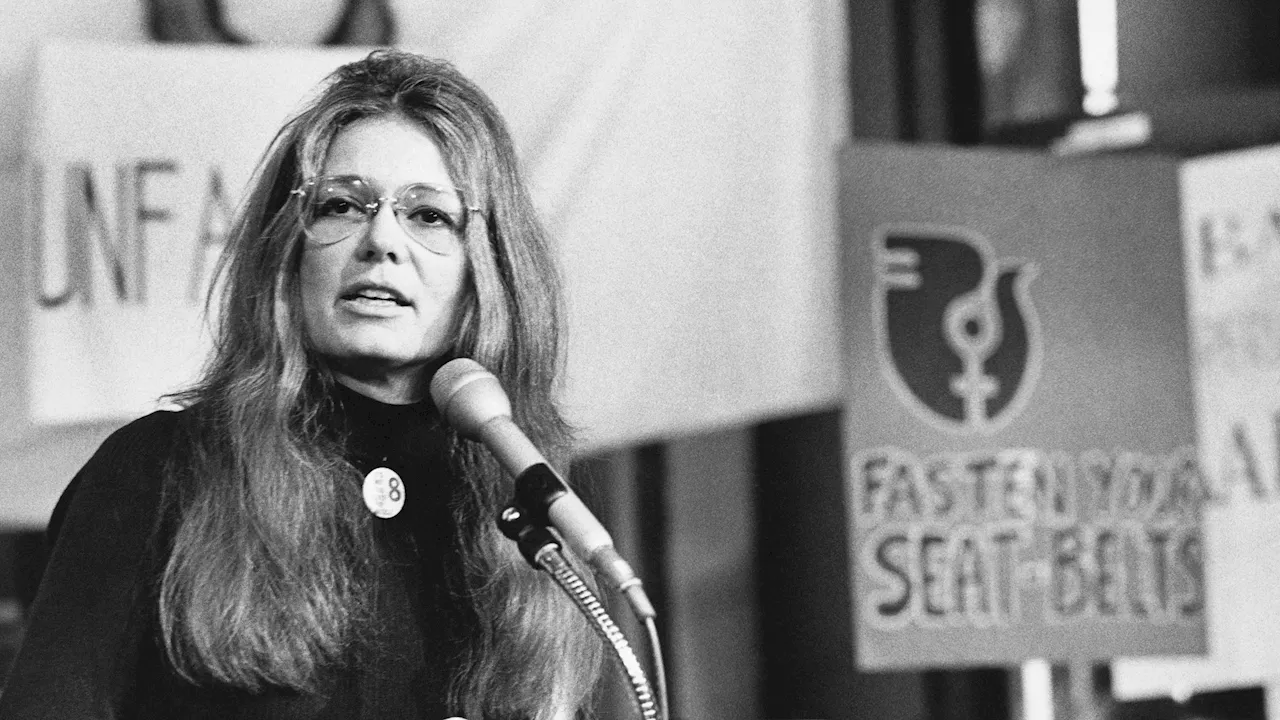
Feminist icon Gloria Steinem recently shared her thoughts on the necessity of physical presence during a landmark interview. The conversation, which coincided with her 90th birthday, was recorded for BBC Radio 4's Woman's Hour as the show's long-term host prepared to depart her role in 2024.
The concept of "being in the room" serves as a cornerstone of Steinem's philosophy on social change. As the former host of Woman's Hour reported in her reflection, Steinem emphasizes that while digital tools are useful, they are ultimately "incomplete." This highlights a growing tension between the convenience of modern online campaigning and the deep, transformative power of face-to-face interaction.
Why Gloria Steinem says there is "no substitute" for being in the room
Steinem argues that physical presence is essential for building genuine, lasting movements. In the interview , she expressed a strong preference for the "Talking Circles" and intimate living room gatherings that have defined much of her life and work. this emphasis on physical presence acts as a counter-narrative to the modern trend of remote-only activism and digital-first organizing.
The interview suggests that the strength of a movement is found in the qulaity of its connections. Steinem's life work, from the US women's liberation movement to her various legislative influences, has been characterized by this commitment to direct, personal engagement rather than just broadcasted messages.
The oxytocin connection between physical togetherness and empathy
Physical proximity is not just a social preference for Steinem; she links it to the biological foundations of human empathy. According to the report, Steinem suggests that being physically present triggers the production of oxytocin, a hormone associaated with the impulse to help others when we see them in need.
This biological response is often missing in digital spaces, where the lack of physical cues can lead to what Steinem describes as "slacktivism" and social atomization. The interview points out that while digital communication can be powerful, it often fails to produce the deep empathy that occurs when people are walking on a sidewalk or sitting in a circle together.
"Anything they damn well please": Steinem's advice for the next generation
When asked what the modern women's movement should focus on, Steinem provided a liberating and blunt answer: "Anything they damn well please." This sentiment reflects her belief that the movement should not be confined to a rigid , top-down agenda but should instead follow the organic passions of the women involved.
Even at 90 years old, Steinem remains deeply engaged with the political and social landscape. Her perspective is shaped by decades of navigating the debates and battles of the women's liberation movement, leading her to advocate for a freedom of focus that is both radical and personal.
The difficulty of organizing when digital tools are the only option
While Steinem's call to "get in the room" is a powerful directive, it leaves several practical questions for modern activists... The source notes that digital communication is often the "only option" for people due to political or personal circumstances, yet it does not explore how to replicate Steinem's oxytocin-driven empathy in those restricted, digital-only environments.
Furthermore, while the interview highlights the dangers of online abuse and the "incomplete" nature of the internet, it does not specify how movements can successfully leverage the massive reach of social media without losing the essential, empathetic core that Steinem advocates for.
Comments 0