
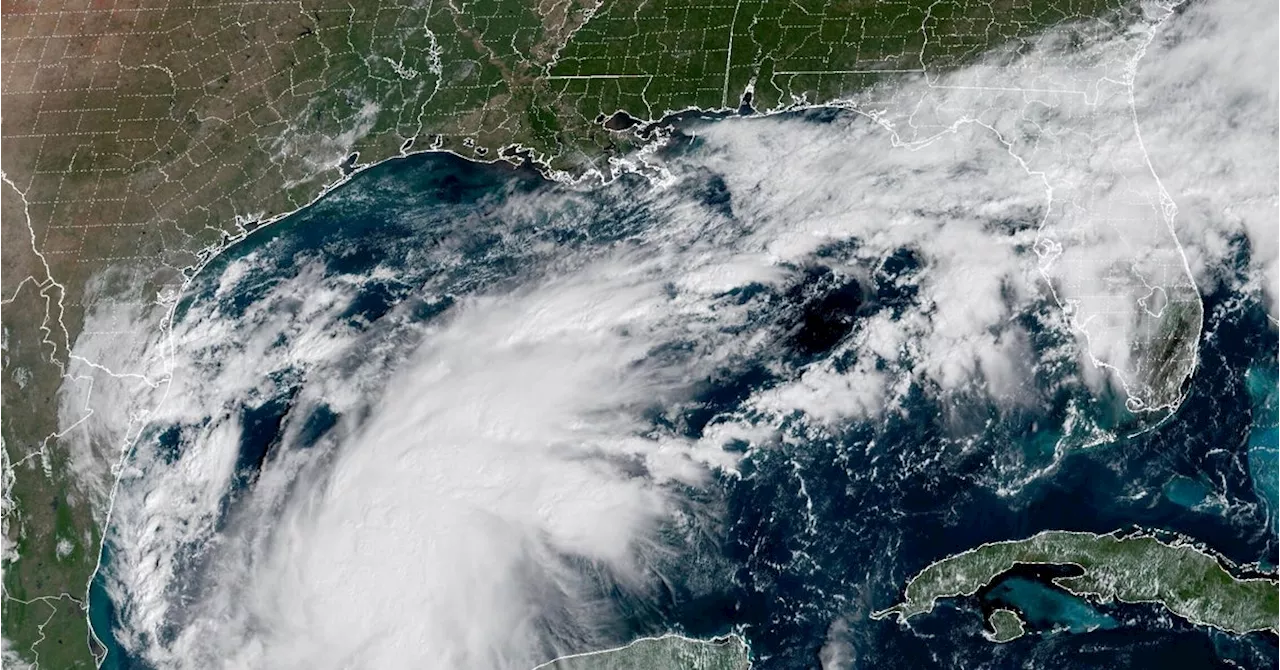
Late Wednesday, Hurricane Isaias became the Atlantic's first hurricane of the season. The cyclone is packing maximum sustained winds of 75 mph and is currentlly moving toward the U.S. Gulf Coast, threatening the Mississippi coast and the Florida Panhandle with heavy rain and potential flooding.
A near-record arrival for the Atlantic season, echoing 1905
The emergence of Isaias comes more than four months into the Atlantic hurricane season, a timing that is statistically unusual. According to the National Weather Service, the storm is nearly tying a 121-year-old record for the latest-forming first hurricane in the region, which occurred on October 8, 1905.
This late-season intensification has forced communities in the storm's potential path to mobilize quickly . While the season is well underway , the arrival of a hurricane at this stage serves as a sudden reminder of the volatility of Atlantic weather patterns.
511,000 barrels of oil removed from the market
The storm is already impacting the energy sector, as offshore production in the Gulf of Mexico faces significant interruptions. As the Marine Minerals Administration reported, approximately 25% of the region's oil production was temporarily halted,effectively taking about 511,000 barrels a day off the market.
The disruption includes the evacuation of eight of the 371 manned oil platforms in the area. While Jim Burkhard, the global head of crude oil market research for S&P Global Energy, noted that other Gulf hurricanes have caused larger disruptions, he cautioned that the economic impact depends heavily on whether the storm strikes near major refineries.
The cancellation of the 325,000-person National Shrimp Festival
Beyond the energy markets, the storm is disrupting local culture and tourism. In Gulf Shores, Alabama, organizers have been forced to cancel the National Shrimp Festival, an event that drew an estimated 325,000 people last year.
For residents like Maranie Adams, the threat is personal and immediate. Adams, who lives roughly a half-mile from the shore, described the process of moving belongings and preparing to shelter her flock of chickens indoors to prevent them from being blown away by the expected noise and wind.
Emergency declarations across 65 counties in Alabama and Florida
State officials have moved into high gear to manage the potential fallout. Alabama Governor Kay Ivey issued a state of emergency for 40 counties, while Florida Governor Ron DeSantis declared one for 25 counties in the Panhandle and Big Bend regions.
In Pensacola, local utilities are already pre-positioning crews to handle power outages, and city officials have begun providing sand for residents to create flood barriers. The declarations allow for the deployment of disaster responders and specialized search and rescue task forces from Miami.
The uncertainty of landfall and refinery proximity
Despite the heavy preparations,several critical details remain unverified. while forecasters have provided a general path, the exact location of landfall remains a moving target, leaving residents in low-lying areas of Gulf Shores and Orange Beach to decide whether to follow voluntary evacuation orders.
Furthermore, the full extent of the economic damage remains unknown. While the production cuts are significant, the ultimate impact on global oil prices and local infrastructure will depend on whether Isaias maintains its strength as it approaches the coast.
Comments 0