
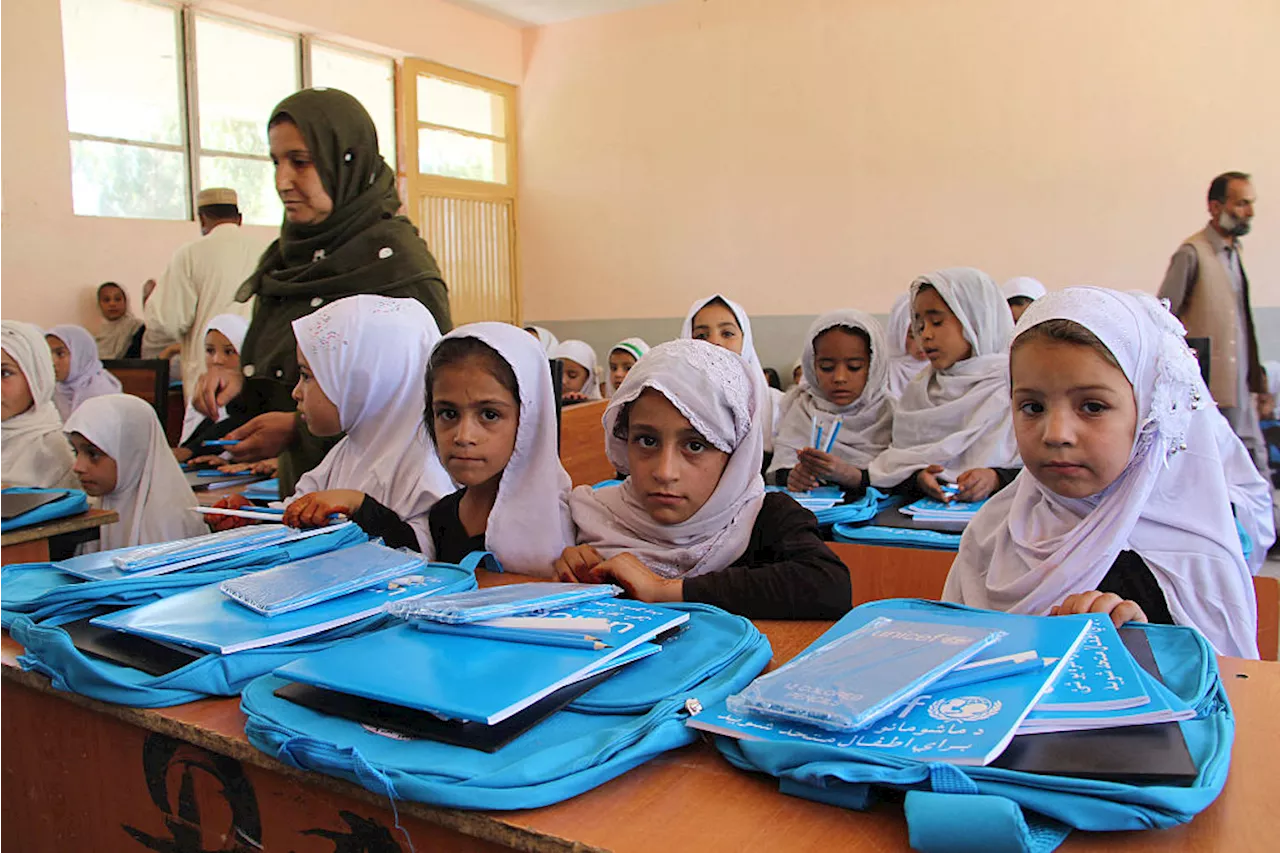
While students globally prepare for a new school year, 2.6 million girls in Afghanistan remain prohibited from attending secondary school. this systematic exclusion is part of a broader effort by the Taliban to reshape the nation's social fabric through strict edicts and educational control.
The 2.6 million girls facing a lifetime without secondary school
As classrooms fill up across the United States and much of the world this week, the reality in Afghanistan stands in stark, painful contrast. For many, the new school year is a time of fresh backpacks and new beginnings, but for millions of Afghan women, it is a reminder of a life put on hold. According to the report,girls who were only six years old when the bans began are now approaching adolescence, knowing they will not be permitted to advance beyond elementary school.
The Taliban has utilized more than 160 edicts and orders to strip women and girls of their fundamental rights. These restrictions include limiting freedom of movement and silencing female voices in public spaces. For the 2.6 million girls currently barred from secondary education, there is no expiration date on these policies, leaving an entire generation in a state of forced academic stagnation.
How the rise of 23,000 religious schools is changing what boys learn
The Taliban is not only excluding girls from the classroom; it is also fundamentally altering the education of boys. As the source notes,the number of Taliban-run religious schools has surged from approximately 5,000 before the group returned to power to more than 23,000 by September 2025. These institutions now enroll more than 3.65 million students.
This expansion comes alongside a deliberate reduction in core academic subjects. Time previously allocated to math, science, and social studies is being stripped away. simultaneously, the curriculum is being purged of topics concerning democracy, human rights, gender equality, and women’s empowerment. This shift suggests a state-led effort to engineer a geneartion that is taught to question less and inherit a much narrower worldview.
The projected 1,600 maternal and 3,500 infant deaths by 2030
The educational ban is creating a secondary crisis in the healthcare sector. Because women are barred from most work and social restrictions often prevent them from seeking care from men, the disappearance of female healthcare workers is proving fatal. The report highlights a grim forecast: an estimated 1,600 additional maternal deats and more than 3,500 infant deaths could occur by 2030 due to the shortage of trained female doctors and midwives.
Economic desperation is further complicating this landscape. As families face worsening financial conditions, many are being pushed toward devastating decisions, such as marrying off young girls to ensure survival. This cycle of poverty and lack of education creates a feedback loop that makes social progress increasingly difficult to achieve.
The push to label these actions as gender apartheid
Activists and survivors are now moving beyond awareness and toward legal accountability . There is a growing demand for United Nations member states to formally recognize the Taliban's actions as gender apartheid, a crime against humanity. While significant progress has been made in collecting and preserving evidence of these abuses, the transition from documentation to prosecution remains the primary hurdle.
The central question is whether the international community will move beyond symbolic gestures. It remains unverified how many UN member states will actually support the formal recognition of gender apartheid, or if the global attention required to drive such a legal shift will continue to fade as the crisis persists.
Comments 0