


The global landscape of professional work is undergoing a significant transition as top-tier companies recalibrate their operational strategies. While the emergency mandates of the past have faded, the question of physical presence in the workplace remains a central debate for organizational leadership. Large enterprises are increasingly moving away from purely remote arrangements toward structured hybrid models, utilizing targeted incentives to encourage a return to the office.

Designing the Modern Office Experience
Corporations are investing heavily in reconfiguring office spaces to serve as collaboration hubs rather than rows of individual desks. This shift focuses on creating flexible environments that support team-based trouble solving, mentorship. Creative brainstorming—activities that leadership teams argue are inherently diminished in a digital-only environment. By prioritizing amenities ranging from high-end ergonomic workstations to expanded communal lounges, firms aim to improve the value proposition of the daily commute.
The Incentive Strategy
Data-driven firms are utilizing a variety of mechanisms to incentivize presence without resorting to rigid, full-week attendance requirements. These interventions often include:
- Subsidized high-quality onsite dining and catering services.
- Performance-based bonuses linked to integrated project completion.
- Enhanced professional development workshops exclusive to onsite participants.
- Commuter stipends and flexible transport support.
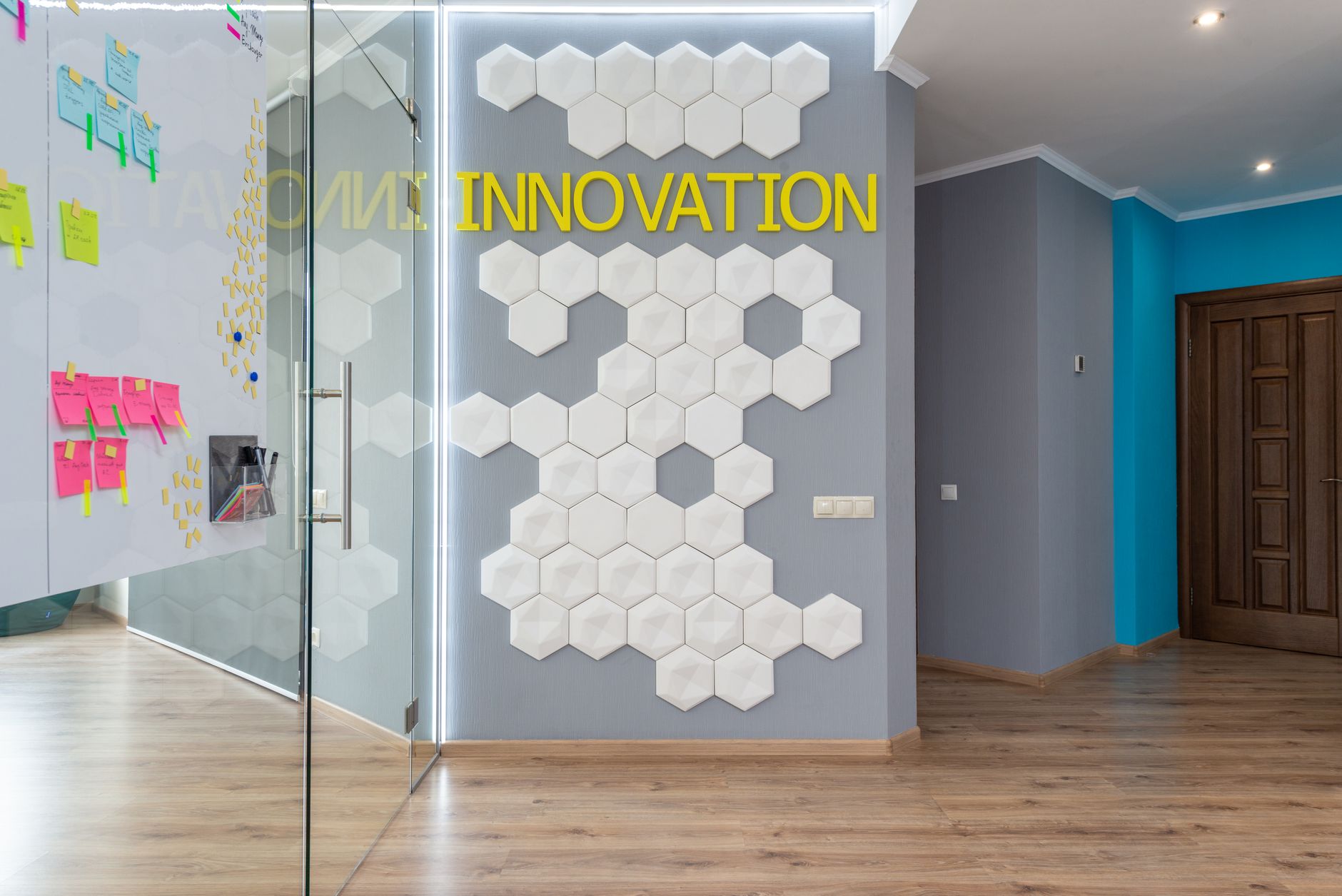
These strategies represent a shift toward positive reinforcement. Rather than enforcing top-down mandates, management teams are attempting to build a culture where employees see the office as a tool for personal and professional growth rather than a logistical hurdle.
Bridging the Distance Gap
A primary concern for human resources departments is the potential erosion of company culture and the challenges of onboarding recent talent in a remote-first environment. Mentorship, in particular, is noted as one of the most difficult elements to replicate through video conferencing software. Junior staff frequently report feeling less connected to their organization's long-term objectives when they lack regular face-to-face contact with established professionals.

Corporate leaders emphasize that the objective of Remote Work 2.0 isn't a return to legacy models of attendance. An optimization of the hybrid trade-off. By requiring attendance on specific days designed for high-impact meetings, companies aim to protect the flexibility of deep-work remote days while securing the synergy benefits of physical interaction. As these policies take hold, the market remains divided on whether these incentives will yield the desired results in employee engagement and retention. The coming fiscal quarters are expected to provide more concrete insights into how these fresh office utilization patterns affect long-term productivity metrics.
Comments 0