
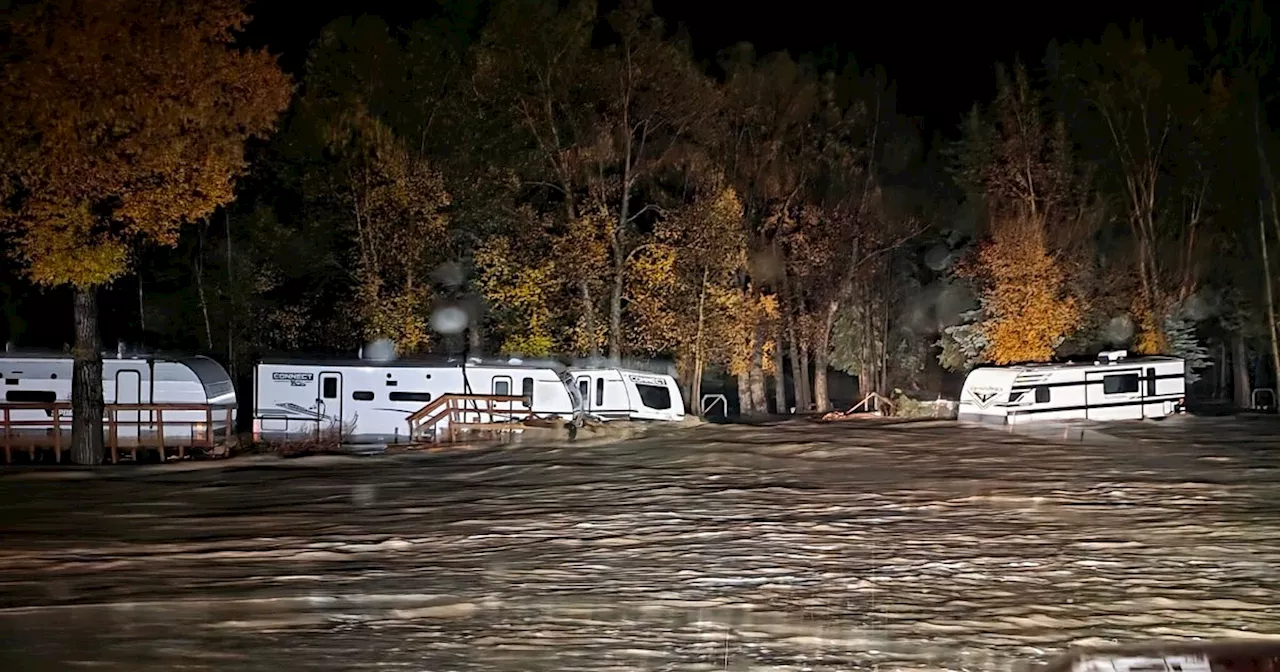
Severe thunderstorms and at least one tornado recently devastated the Four Corners region, impacting Arizona, Colorado,New Mexico, and Utah. The weather event triggered widespread evacuations and significant property damage due to surging rivers and saturated soils.
A Rare Santa Fe Tornado and the Shock of Local Residents
On Saturday around 7 p.m., a tornado touched down in Santa Fe, New Mexico, catching residents by surprise. Michelle Vialpando, a local resident in the Aldea de Santa Fe neighborhood, reported seeing the twister from her patio while looking toward Los Alamos, describing the storm clouds as "crazy."
According to the report, meteorologist Scott Overpeck with the National Weather Service office in Albuquerque worked to confirm if other twisters had struck different parts of New Mexico. For many lifelong residents like Vialpando, the event was unprecedented, marking a frightening departure from the region's typical weather patterns.
Four Feet of Water and the Loss of 22 Chickens in New Mexico
In San Juan County, New Mexico, the flooding was particularly acute along the San Juan River. Zach and Abigail Flatt of Bloomfield were forced to evcauate their children, ages 2 and 4, after watching river levels jump four feet in less than an hour. The resulting flood inundated their property with 18 inches of water and killed 22 of their 24 chickens.
The devastation extended to local leadership, as San Juan County Sheriff Shane Ferrari reported that four feet of water flooded his own home. While San Juan County Fire & Rescue Chief David Vega noted that the public is anxious to return home, he warned that receding waters leave behind dangerous hazards, including broken propane lines and contamination from raw sewage.
Sewage Leaks into the San Juan River Near Shiprock
The environmental impact of the storms hit the Navajo Nation hard, specifically in the Shiprock, New Mexico, area. Wilfred Franklin Jr., the Shiprock District Manager for the Navajo Tribal Utility Authority, reported that flooding damaged water holding ponds and wastewater facilities.
As reported in the source, these failures caused sewage to be released directly into the San Juan River. This adds a layer of public health crisis to the physical destruction, as officials are still determining the total volume of sewage that entered the waterway.
Archuleta County's 'Catastrophic' Damage and Pacific Moisture Trends
In Colorado, the situation in Archuleta County was described as "catastrophic" by Sheriff Mike Le Roux. Emergency teams have been conducting aerial scans and welfare checks to determine the full extent of the destruction, though no injuries or deaths have been reported by Colorado incident management spokesperson Vicki Shaffer.
This volatility is part of a broader pattern of tropical moisture moving ashore from the Pacific,which has caused on-and-off heavy rain in the region for two months. Meteorologists suggest that the natural warming of parts of the Pacific—often associated with El Niño patterns—is likely responsible for the unusually heavy rainfall following a period of intense drought.
The Missing Damage Estimates for Santa Fe and Archuleta County
Despite the visible destruction, several critical pieces of data remain unknown. As the report indicates , meteorologist Scott Overpeck did not have official damage estimates for the Santa Fe tornado, and San Juan County officials have yet to release official figures on the total number of homes damaged or residents evacuated.
Furthermore, while the Navajo Tribal Utility Authority confirmed sewage leaks, the exact amount of contamination in the San Juan River remains unverified. The process of checking houses for hazards in San Juan County, led by Undersheriff Cory Tanner, is expected to take several more days before a full assessment is possible.
Comments 0